


Course Summary: Financial Literacy Redefined
“To those who use well what they are given, even more will be given…” — Matthew 25:29

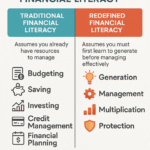



Lesson Outline
1. Introduction (5 mins)
This type of awareness is intentional with the ability to grasp comprehend and discern what is obscure. To drawn sound judgement on what is true or false, good or evil, by paying attention to details and subtle cues.
Awareness is the blueprint before innovation.
Lesson Objective
By the end of this lesson, learners will:
What Is a Need?
NEED
A need is a gap, pain point, or challenge experienced by individuals or communities. It’s something missing, broken, or inefficient.
What Is an Opportunity?
An opportunity is the potential to solve that need in a way that creates value for others and for yourself.
Formula:
Awareness + Need + Action = Opportunity
Lesson Objectives
By the end of this lesson, learners will be able to:
Duration
60–90 minutes
Learning Objectives
By the end of this lesson, you will:
1. Commit to a Mindset Shift
2. Engage Deeply with the Content
3. Apply the Lessons Practically
🧭 4. Live It Out
What It Looks Like in Real Life
The student who approaches this course with reflection, faith, and a readiness to take action will not just gain knowledge—they’ll experience transformation.
You will need the following: